Transporting...
Dear Client,
We would like to bring to your attention the ongoing scheduling delays currently affecting sea freight shipments into South Africa. Over the past few weeks, vessel schedules have been severely disrupted, with delays being driven by a combination of weather-related port congestion in North Asia, carrier network changes, regional routing constraints, and local terminal bottlenecks.
Current Global and Regional Impacts
China remains one of South Africa’s largest trading partners, and the recent impact of Typhoon Dolphin has been significant. Recent industry reports indicate that port congestion across North Asia surged after the typhoon, with more than 2.4 million TEU of container capacity affected and vessel backlogs expected to take time to clear.
In response to congestion and schedule disruption, shipping lines are increasingly adjusting rotations, omitting certain main port calls, and relying on hub-and-spoke operations using smaller feeder vessels. While these measures are intended to maintain network flow, they place additional pressure on feeder capacity and increase the risk of short-shipments, rolled cargo, and revised arrival dates.
Maersk has also announced changes to its Safari Service, including the suspension of the direct Hong Kong call from Q4 2026 until the end of Q1 2027. This may materially affect LCL shipments loading ex Hong Kong. In addition, the eastbound call at Tanjung Pelepas, a major Maersk transhipment hub, is expected to be replaced with a call at Singapore.
The Middle East routing environment also remains fluid. Although certain carriers are gradually returning to the Suez Canal, service reliability remains sensitive to carrier-specific routing decisions and regional risk assessments.
South African Port Conditions
Durban Gateway Terminal, formerly known as DCT – Durban Container Terminal, is South Africa’s first semi-privatised container terminal and continues to face operational bottlenecks as it ramps up and improves performance. At the time of this notification, vessels calling at this terminal are experiencing berthing delays of approximately 9 to 12 days. This not only impacts Imports, but exports as well as these containers load onto the vessels returning to their nominated trade routes, i.e. exports to Europe, the Far East, USA, etc.
Additionally, this places pressure on equipment availability in the regions as carriers rely on the turn-around of import containers to satisfy the export market.
Q4 2026 Planning Considerations
Chinese Golden Week: 1–7 October
As we move into the fourth and final quarter of 2026, clients should prepare for the annual Chinese Golden Week holiday period from 1 to 7 October. Experience has shown that delays should be anticipated before and after this week, with potential bottlenecks affecting both sea and air freight. We strongly recommend that cargo intended for Black Friday sales be on the water before the holiday period in China wherever possible.
Seasonal South Easterly Winds: Cape Town
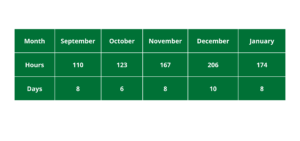
From 1 September, Cape Town typically experiences the return of the South Easterly winds, which can result in port stoppages at the Cape Town Container Terminal. Based on a 10-year average, wind delays have historically been reported as follows
Recommended Client Action
Shipments that are already running behind schedule at origin are likely to be further impacted by these delays. We therefore encourage all clients to plan proactively and to communicate any urgent requirements with our team as early as possible.
We will continue to monitor the situation and provide updates where material changes may affect your shipments.
Your trusted partner in Logistics,
Pioneer Freight Team